
Traditional Braces – Plano, TX
The Tried-and-True Method for Straightening Smiles
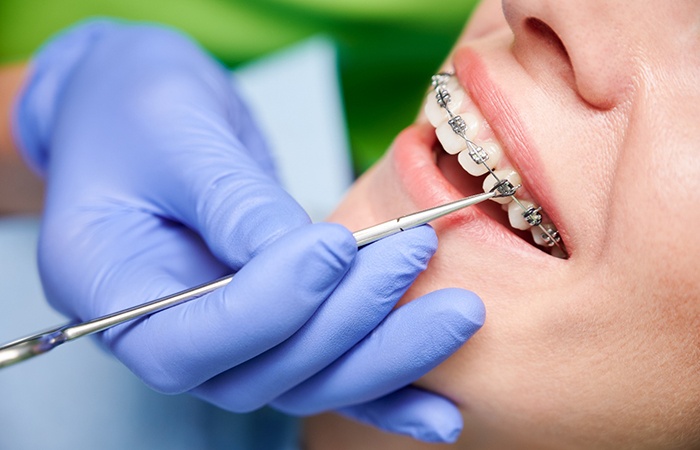
Many patients consider dental or bite misalignments to be aesthetic concerns, but these issues can significantly affect their oral health, too. For instance, orthodontic problems can also contribute to TMJ disorders and make it harder to keep your teeth clean, increasing the risk of cavities and gum disease.
At our Plano office, Dr. Chawala has completed specialized orthodontic training to help improve your condition with traditional braces, the tried-and-true method for straightening smiles. Continue reading to learn more about this service, how it works, and when it might be recommended!
Why Choose Zoom Family Dental for Traditional Braces?
- Experience Working with Patients of All Ages
- Treat Mild to Severe Dental Misalignments
- Insurance Accepted & Flexible Financing Available
How Do Traditional Braces Work?
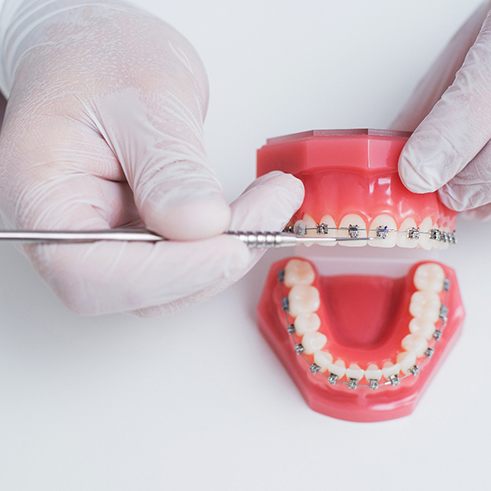
This treatment uses metal brackets, which are bonded to the front surfaces of your enamel and then threaded with an arch wire. The tension applied to this wire can be adjusted as needed to help correct everything from mild gaps and overcrowding to more severe tooth or bite misalignments. Some patients also require additional accessories, such as spacers, bands, or retainers.
Many complete this treatment in 18 to 24+ months, though the overall timeline can vary significantly depending on your unique circumstances.
What Orthodontic Issues Can Braces Fix?
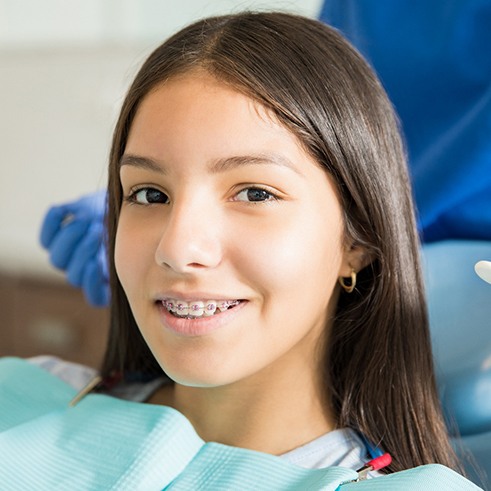
Braces have a long history of successfully straightening smiles and can be used to address a variety of orthodontic concerns, including:
Bite Misalignment
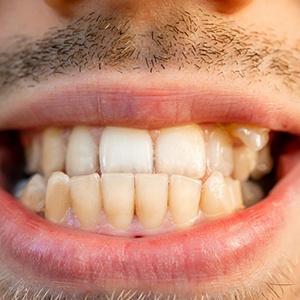
If your jaw is not in its ideal position, your upper and lower arches might not touch together correctly when you bite down. This can cause issues such as an overbite, underbite, crossbite, or open bite, which can, in turn, wear down your enamel, leading to damage or decay.
It might require the use of elastic bands or other accessories, but thankfully, braces can often be used to shift your jawbone into its correct alignment to improve your dental health.
Crowded & Crooked Teeth
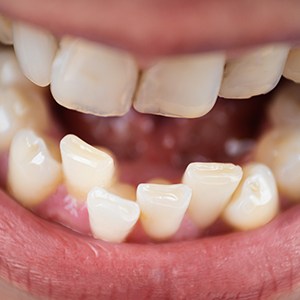
Teeth that are pressed too closely together can become torqued, or turned, in place, which can make it difficult to maintain your twice-daily at-home dental hygiene routine. After all, it’s challenging to prevent cavities and gum disease when you can’t access all their sides to brush and floss them thoroughly.
Traditional orthodontics can pull your teeth to their correct positions to improve your oral health and appearance.
Gapped Teeth
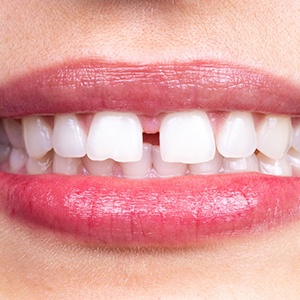
Gaps in your grin can trap food particles and other debris, which can attract harmful, disease-causing bacteria. Not only that, but they also leave your gum tissue vulnerable to cuts or scratches that might become infected.
Braces can help bring your teeth closer together to reduce the spaces between them so you can trust that your smile is as healthy as it is beautiful after treatment.
Caring for Your Braces
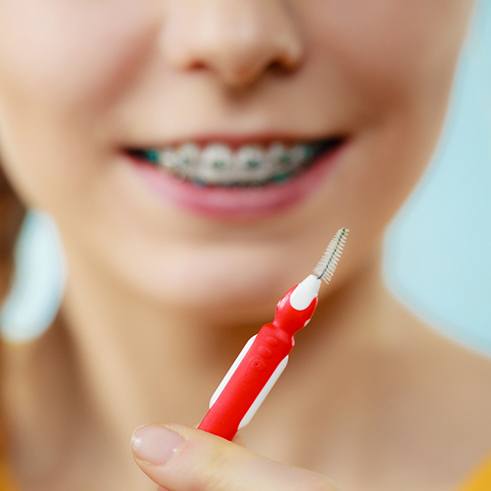
Our team will provide instructions for maintaining your braces that can help keep them in great shape, so you don’t fall off track with your treatment timeline. Some potential directions can include:
- Avoid foods that are overly hard, crunchy, chewy, or sticky, because they could damage, destabilize, or dislodge the brackets or wires.
- Wear a mouthguard during team sports, martial arts, or other high-contact physical activities to protect your teeth as well as your orthodontics.
- Brush and floss thoroughly twice daily to remove plaque and bacteria that cause dental concerns. You might find it helpful to invest in interproximal brushes and an oral irrigator to help reach around the metal components.
- Attend routine follow-up visits to our office throughout your service so we can monitor your progress and make any adjustments as needed.
